

Why I hate most TV shows

There is no story without a problem. You need conflict. If a story doesn’t have conflict, it’s not a story, it’s an anecdote and it’s boring.

The majority of conflict in TV shows is based on deception. On avoiding a hard conversation. On hiding something from someone else so they don’t get upset, and then the next 18 minutes is dedicated to covering your tracks so you don’t get found out in a lie.

Each 20-minute tv show has an A, B and C storyline. That’s potentially three different stories of deception that happen every episode. For a standard 10-episode series, that is 30 potential conflicts from deception and lies. Don’t get me started on seasons with 20 or more episodes in them. And often these are family-based sitcoms. It’s “okay” though because everything gets found out by the end, it will be funny and then resolved within half an hour.

What is that teaching us, or more importantly, what is that teaching our kids? That you can lie, try to cover it up and that’s how relationships work?

It misses the issue of consequences, many of which are unintended, and what happens in relationships when we are unable to be truthful with those that we do daily life with.

Lies and deception are anti-generosity. They are selfish. They break relationships. The cover up afterwards serves only you. We like to think that we are saving others from a difficult situation or a painful truth, but it’s always about saving ourselves from it.

Generosity in conflict is loving honesty. Sure, it’s harder to do but it puts other people at the heart of the issue, instead of my desire to avoid of a difficult conversation.

So, I find myself avoiding sit-coms now. I’m not looking for unnecessary drama.
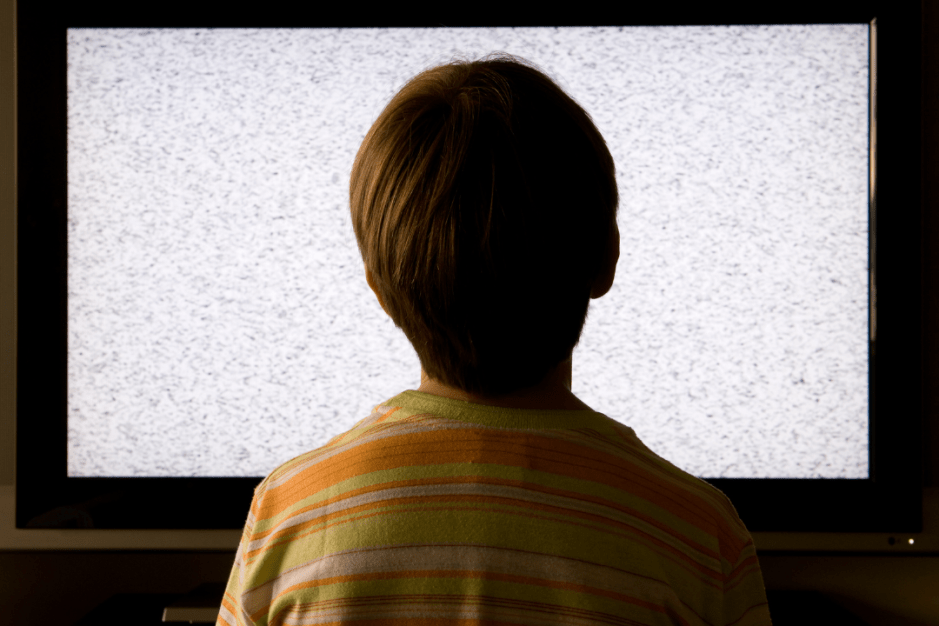
Sesame Street and Childhood Trauma

It lasted for 14 years. From when he first appeared on the show in 1971, Mr. Snuffalupagus was an imaginary friend for Big Bird on Sesame Street. Big Bird claimed he was real but no other person met him because he would wander off just as other people were coming. It’s a standard comedy trope that I understand now, but at the time, as a young boy it embedded some deep trauma. Why was no one believing Big Bird? Everyone assumed that Big Bird was making him up, that he was imaginary, no matter how much he pleaded and promised that he wasn’t.

14 years of this.

In 1985 the writers decided to introduce Mr Suffleupagus to the others on the show because there was concern that it was sending a message to kids that adults wouldn’t believe what they said, especially if it was about heavy topics, like abuse.

As a result, as a 5 year old, I watched as Big Bird was finally vindicated, shown that he wasn’t a liar or a naughty bird by being flippant with the truth. It sounds ridiculous now but something shifted in me at that moment, as if a piece of me was found that day. Even though I hadn’t been alive for the whole time that the imaginary friend issue was happening on Sesame Street, it had been happening for my whole life to that point.

I don’t know why it became such a significant moment in my life. But perhaps I was asking, would people believe me if I said something?

The weird thing is I had nothing to say – no abuse or trauma or anything of the like to talk about, but the feeling that no one would believe me if I had something to say was terrifying.

The truth is innately generous. To be honest with someone shows that you trust them, that they can handle the truth and that you are willing to share your truth with them. Not believing someone when they are honest with you is a rejection of that generous act, and, to my 5 year old self, is the greatest rejection you can impose on someone.

Nobody wants to be lied to, or to believe someone when they are, in fact, lying to us. But at the risk of this, the greater tragedy is if we don’t believe someone when they are speaking the truth. So perhaps erring on the side of belief is gift that we can give those around us.

The Dangers of Honesty

There is an old saying,

“Do not cast your pearls before swine.”

For the longest time I didn’t understand it, as I tried to imagine what pigs would do with a bunch of pearls. Until one day I opened up to someone about an emotional challenge that I had, and they threw it back in my face.

It was in that moment that I realised I had given someone one of the most precious things that I had, part of myself, and they treated it like scraps. They stomped all over it and eventually consumed it, spat it back out and then consumed it again (that’s what it felt like anyway). As I witnessed this take place, horrified, I realised that this person mistreated my treasure, not because they wanted to but because they couldn’t treat it any other way. They simply didn’t know how to. Just like pigs would treat pearls.

I quickly learned who I could trust with that which was most precious to me, and who I couldn’t.

Honesty and transparency can be gifts of great worth that we give to other people, but not everyone will treat them with the respect and care that they require. So we need to be cautious with who we give these gifts to, or be confident enough in ourselves and our own worth, that it won’t matter how people respond to being presented with this treasure.

Generosity is risky. It is dangerous. But the depth of relationship and intimacy that can be created through honesty and transparency are worth taking the risks and facing the dangers.

The Generosity of Honesty

I am trying to figure out if I am especially untrusting, or if everyone has trouble believing someone when they say something nice about them. It’s probably just me, but whenever I get a hint that a person is not being honest with me then I struggle to take anything that they say as truthful.

Dishonesty, or a lack of transparency, ruins relationships. Both relationships that already exist and ones that are yet to.

On the flip side, honesty and transparency give relationships depth. When you are open with others around you it creates a foundation of trust. Trust that you are an honest person and therefore wont dupe or rip people off. That you are a safe person that they can be honest with too. That you will do what you say you will do. That you genuinely care.

When you are open and honest, you also let other people into your world so they can see behind the curtain to your inner workings. This is a gift and for those who are capable of treating this gift with respect, it makes them feel special and welcome. This sort of intimacy is rare but incredibly valuable as it builds strong, deep relationships which last.

Honesty it innately generous.

It does come with risks though…