
Too many books?

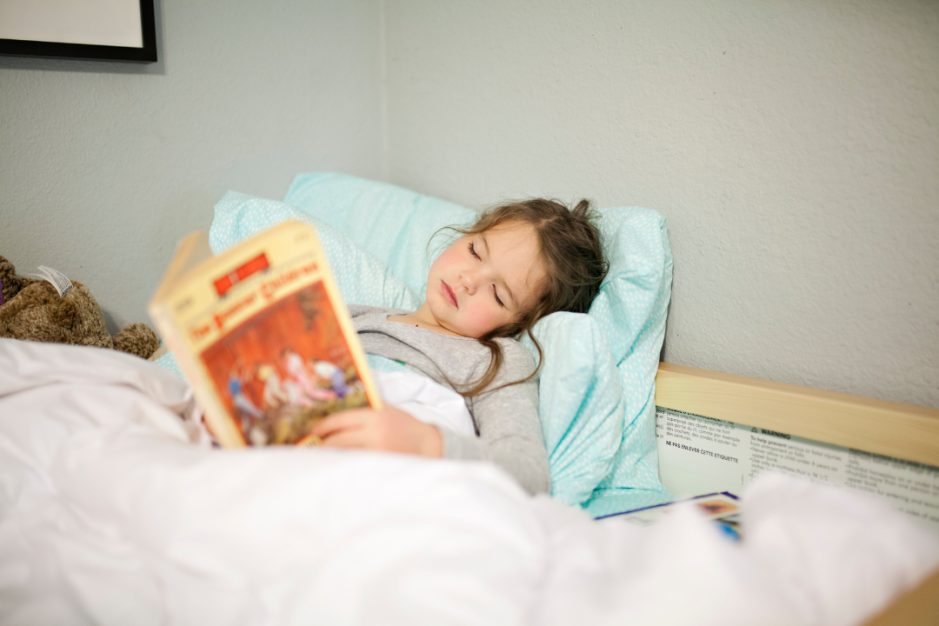
My kids sleep with, what seems to be, hundreds of toys in their bed. There are stuffed toys, toy cars, small animals, lego men and piles of books. I’m not even sure that any part of their body touches the mattress there is so much junk.

I honestly don’t know how it came to this – I am reasonably ordered in life. The bed is for sleeping. The toys and books go in the playroom. But, apparently, my children have a more fluid understanding of how things work in our home.

The books, whilst super annoying when they fall under the bed and cause a frantic search when it’s library day at school, I am more okay with because books are important. It is important to read to your child. I think every parent knows that, and there are studies that have found that young children whose parents read to them daily have better school experiences. There are other studies that have shown that homes which have books in them are more likely to have better educational outcomes, even if they aren’t read.

So, my kids, by sleeping on books, should end up being geniuses. That’s my working theory.

Education is important, and we all want the best for our kids.

Whenever I meet the women that Opportunity International Australia work with, their motivation for using a small loan to build a business and work their way out of poverty is so that they can give their children a better life. They, first and foremost, want their children to go to school and get an education, because they know that this will be a huge benefit for the kids in the future. Even if they haven’t been able to go to school themselves.

For women like Bhikhiben in India, who desperately wanted to go to school when she was younger, but had to make an impossible and devastating choice after her mother died. As the oldest of five siblings, she quit school to help raise them.

No child should have to choose between going to school or looking after their family. But that was the reality for Bhikhiben.

Even though she only has a few years of education, she has taken a small loan to build her own business to create an income which has allowed her kids can go to school, get enough food to eat, to pay the loan back as they work their way out of poverty.
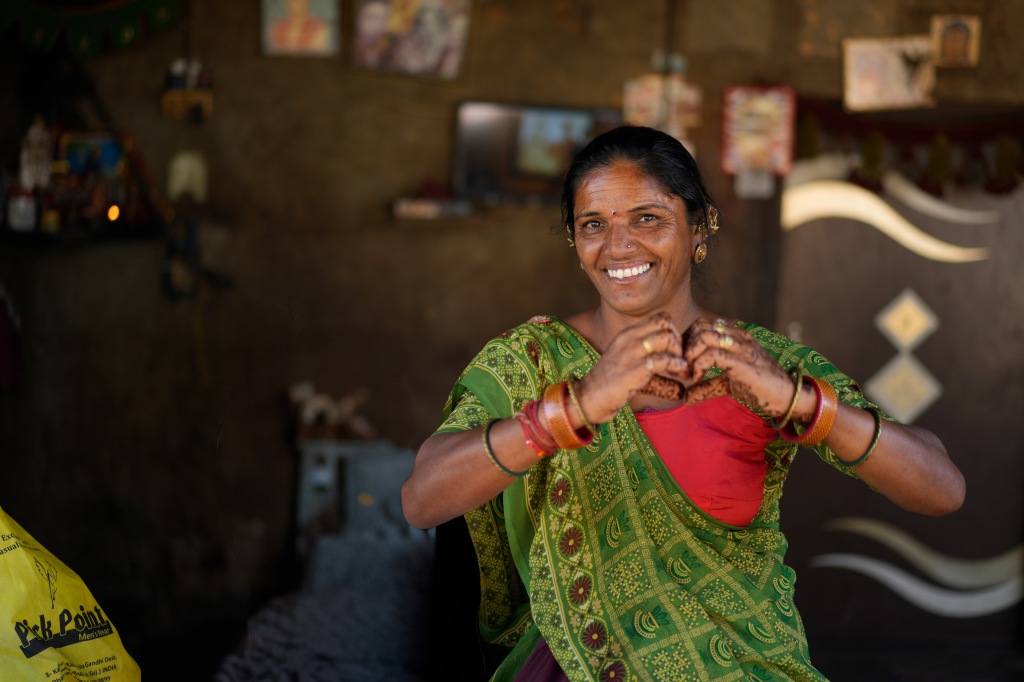
Once the loan is repaid, it gets recycled on to the next mother, so she can do the same thing. With 98% off all loans repaid and recycled, that is a lot of families that are putting their kids in school.

Bhikhiben was robbed of her chance to get an education, but that has fuelled her desire to make sure her children get one. This is how generational change is created.

You can donate here to help women like Bhikhiben lift their families out of poverty.
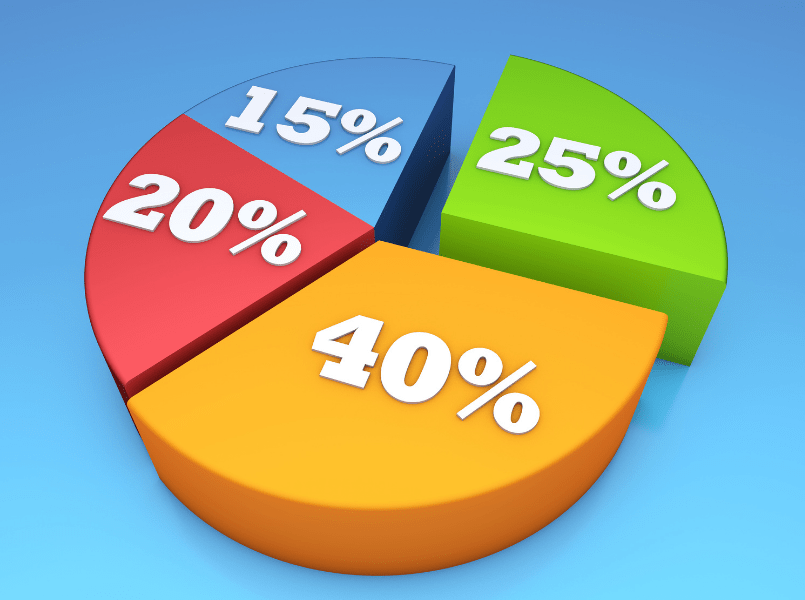
25% of Statistics are Made Up

25% of Statistics are Made up on the spot.

Is that statement true? Maybe, I could be part of the 25% I guess.

Numbers are great. They are logical and clinical.

They also lie, oversimplify and distract.

For example:

  • 1 in 10 people are colour blind
  • 90% of people can see colour just fine

Two messages from the same set of numbers which read very differently. (Neither of which is true by the way.)

We use numbers to draw attention to the significant issues in our world, and even if they are factually correct, it isn’t working. By themselves, numbers don’t work.

I could tell you that Opportunity International Australia is helping over 6.7 million families to work their way out of poverty through the power of a small loan, or I could tell you about Shoba…

Shoba, a wife and mother in India, was already living in poverty when her husband got sick.

They were unable to afford the medicine for her husband’s condition, so she borrowed from a money lender to get her husband the help he needed.

Sadly, he died.

In time, the money lender came to get what they were owed – which was now significantly more than the amount borrowed. Shoba did not have the money to pay.

The lender took both of her young sons to work off the debt by manual labour at a quarry.

Nobody should have to live like that, facing an impossible decision between critical healthcare and losing children to slave labour.

Shoba heard about the small loans available through Opportunity. She borrowed USD50 and bought some carving tools and supplies. Shoba hand carved wood into elephants which she sold by the roadside.

Using the money she earned to redeem her sons, Shoba was also able repay her Opportunity loan and build a better life for her family.

Breaking the cycle of poverty takes a lot of courage.

Making a donation is the easy part!

Opportunity has 6.7 million other stories like that. Stories that say more than statistics ever could, even if they aren’t made up.

Stories with true statistics will tell the whole story.

Why People Give

“When you give to charities, what outcome are you looking to achieve?”

This is the most common question I get to ask people who support Opportunity. It’s important to find out what motivates them to give, mostly so that we can achieve the kind if impact they are looking for.

Often, the answer I get is “I want to make a positive difference”, and after further discussion they tell me about how someone helped them early in their life. So, they give to pass it on and help someone work their way out of poverty.

For many Opportunity supporters they see creating businesses as a great way to help people help themselves. A small loan gets given to kick start their journey out of poverty, by creating a small business which provides them an income. They can then put food on the table, send their kids to school, pay the loan back and leave poverty behind.

The types of business the small loans create in places like India and Indonesia are not what you normally think of. There are no ABN’s, no offices, no IT set up, no convoluted distribution channels. It’s more simple than that. You buy items at one price, take it to a market or the side of the road and sell it for a little bit more. You get a loan in the morning and can create an income to buy food that evening.

Whilst it takes time for loan recipients to fully leave poverty behind, a small loan is the injection they need to start that journey.

That’s what making a positive difference looks like.

$160 is enough to help create a small loan – donate here.