You’re ability to spot a problem is a gift, but not yet thanks.

Some people are incredibly gifted. They have an eye which notices things that others don’t. They can spot a problem, an issue, a possible negative outcome in an instant and from a mile away. You might know someone like that. You might be someone like that.

Having people like that around is vital to make things work. But…

If this type of thinking happens too early in the process of creation it can kill innovation, dreams and wonderful ideas. It can create a culture where the word ‘can’t’ is the final verdict on most things.

To overcome these sort of situations I have been channelling Rob Lowe’s character, Dean Sanderson in The Grinder. The only thing I remember clearly about the show is that his character continued to find himself in situations where there was no possible way forward and what he wanted to do was so far fetched everyone around him was saying that it couldn’t be done. His response has now become my favourite saying:

“But what if we could?”

What if it was possible? What would that look like? If we could do it, then where would that take us? What would happen as a result?

It’s not just blind optimism, it is a generous, practical thought process that can allow new ideas to develop. You don’t even have put the ideas into practice but the process of imagining what is possible, if it could be done, creates a place of freedom and generous creativity.

“It’s always seems impossible until it’s done.” Nelson Mandela.

There is always a problem

I’ve been trying to find a way to explain this concept which doesn’t result in depression.

Life is struggle, challenges, unexpected problems, obstacles, sickness, tiredness, and yes, depression.

Not all the time, but often and frequently.

At the same time, life is also joy, happiness, peace, completion, overcoming, laughter, fun and yes, exhilaration. We don’t experience these things in spite of the first list, but because of them.

We can experience joy in overcoming the struggle and challenges. We can experience peace in the turmoil of unexpected problems. We can experience fun and laughter in the shadow of the obstacles. We can experience a sense of completion amongst the tiredness.

But, it never ends. There is always another struggle and challenge to replace the one you have just overcome, and sometimes there are struggles and challenges that are with us always. (Cue the depression again).

So, we learn to find joy and rest in the struggle. Because when we look back, our greatest accomplishments were completed against the wind. The things we are most proud of usually are the things we achieved when the odds were against us, it was hard and we waded through some deep, tumultuous times to get there.

Don’t let it get you down. Find a way to be grateful for the challenges which are a creating a pathway for you to overcome them and achieve more than you thought possible.

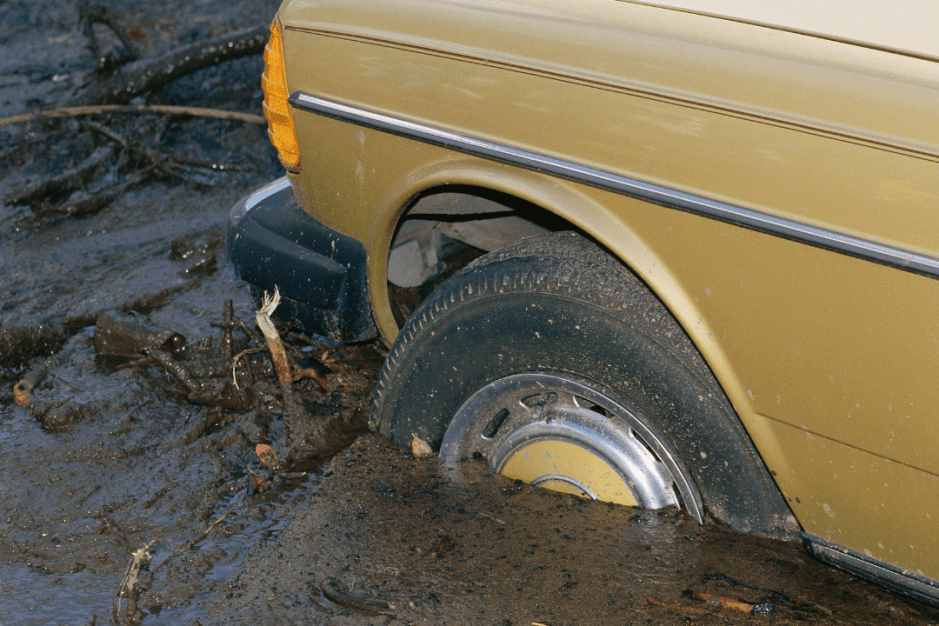
Don’t Get Stuck

“What causes a problem matters less than what maintains it” – Trevor Kashey

“Who did this?”

The question hung in the silence for what seemed like an eternity as two sets of eyes looked back at me in fear, eagerly waiting to see how they should respond to this emotional time, depending on how upset I was.

Another broken item in the home. Not an uncommon experience although it is one that drives me a little crazy.

My desire to get to the bottom of who, what, why and when of these sorts of situations can be helpful to figure out just what happened, but at the same time it can cause greater stress than the traumatic breaking of the breakfast bowl.

The result can leave kids being so afraid of breaking something that they get anxious about carrying a bowl from the kitchen to the table and in their anxiety, drop said bowl and break it. Creating more anxiety. It’s a self-fulfilling prophecy.

This can happen in any area of life. We can get so caught up in avoiding failure that we are afraid to act, and when something does inevitably go wrong, we can expend all this energy figuring out who or what caused it, getting stuck in the process of dealing out blame. Don’t get me wrong, I’m all for accountability and being responsible for your actions, but if it’s just about discovering who to get angry at then we have missed the point. Anger doesn’t create solutions. Blame doesn’t create growth.

Instead of asking, “who did this?”, a better question is “what can we learn from this?”, or “how do we grow from this?” or “how can we improve this?”

Who or what causes a problem ‘matters less than what maintains it.’ It’s not about how we got here but it’s about where to from here.