Too many books?

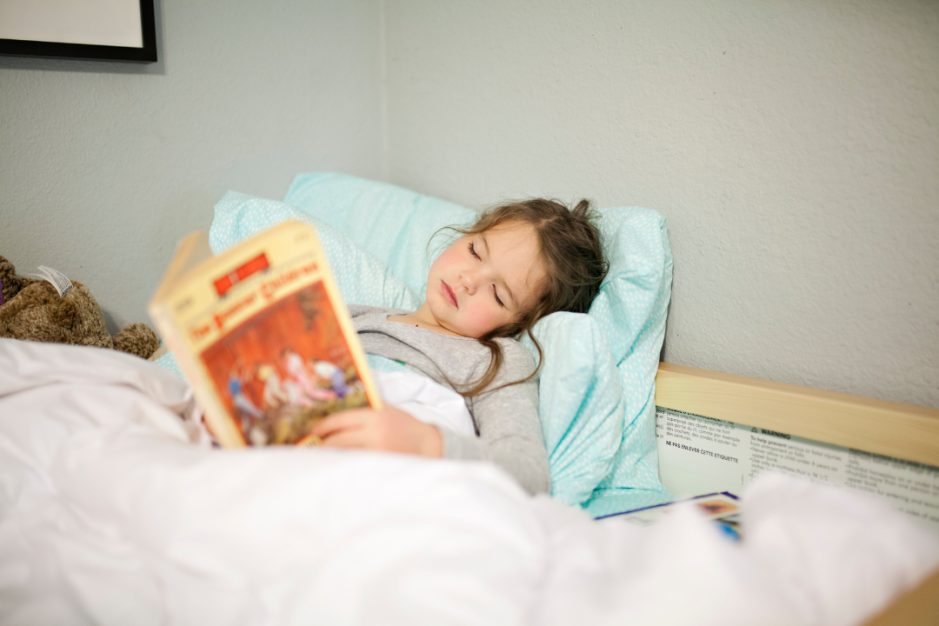
My kids sleep with, what seems to be, hundreds of toys in their bed. There are stuffed toys, toy cars, small animals, lego men and piles of books. I’m not even sure that any part of their body touches the mattress there is so much junk.

I honestly don’t know how it came to this – I am reasonably ordered in life. The bed is for sleeping. The toys and books go in the playroom. But, apparently, my children have a more fluid understanding of how things work in our home.

The books, whilst super annoying when they fall under the bed and cause a frantic search when it’s library day at school, I am more okay with because books are important. It is important to read to your child. I think every parent knows that, and there are studies that have found that young children whose parents read to them daily have better school experiences. There are other studies that have shown that homes which have books in them are more likely to have better educational outcomes, even if they aren’t read.

So, my kids, by sleeping on books, should end up being geniuses. That’s my working theory.

Education is important, and we all want the best for our kids.

Whenever I meet the women that Opportunity International Australia work with, their motivation for using a small loan to build a business and work their way out of poverty is so that they can give their children a better life. They, first and foremost, want their children to go to school and get an education, because they know that this will be a huge benefit for the kids in the future. Even if they haven’t been able to go to school themselves.

For women like Bhikhiben in India, who desperately wanted to go to school when she was younger, but had to make an impossible and devastating choice after her mother died. As the oldest of five siblings, she quit school to help raise them.

No child should have to choose between going to school or looking after their family. But that was the reality for Bhikhiben.

Even though she only has a few years of education, she has taken a small loan to build her own business to create an income which has allowed her kids can go to school, get enough food to eat, to pay the loan back as they work their way out of poverty.
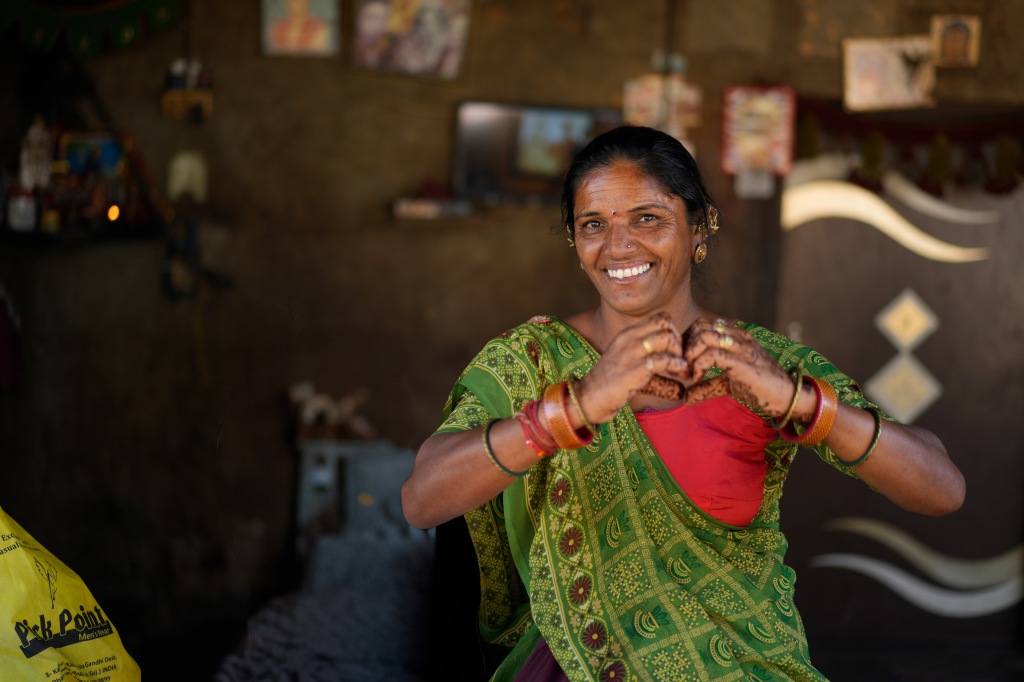
Once the loan is repaid, it gets recycled on to the next mother, so she can do the same thing. With 98% off all loans repaid and recycled, that is a lot of families that are putting their kids in school.

Bhikhiben was robbed of her chance to get an education, but that has fuelled her desire to make sure her children get one. This is how generational change is created.

You can donate here to help women like Bhikhiben lift their families out of poverty.
Veil of Ignorance

I’m not the only one who thinks that the world is structured unfairly. The rich seem to find it easier to keep making money, and those who are living in poverty are the most vulnerable to life shocks which push them further into poverty.

How would you re-design things if you could? Who would have the wealth? Who would have the power? How would you shape society so that it served all who were a part of it?

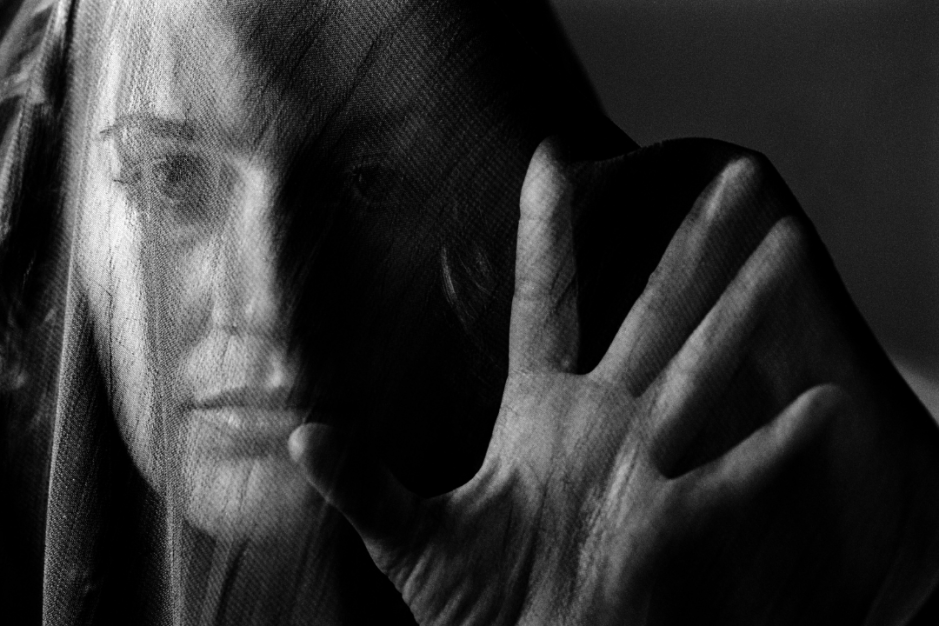
John Rawls came up with the concept of the Veil of Ignorance. It’s a way to test ideas for fairness, whether it’s a new tax law to re-creating society as we know it. All you have to do is to imagine that you have no idea what position you would end up in on the other side of that decision. You could have your taxes cut, stay the same, or even increased. You could end up with all the power or none of the power. With that in mind, would you still be comfortable making the decision?

It’s a theoretical experiment of course, but the exercise is important to help create the kind of communities that all members want to be part of.

If you were to create a place where you would be happy in any role that you were given; any gender, any race, any social status, any level of education, any physical ability, what kind of place would you create?

Thinking of your life now, if you were born a different gender or race, or differently abled, or in a different country or social class, would you still be comfortable with the social inequalities of our world? I know I wouldn’t be.

I don’t think a utopia is possible, but I do think there are simple things we can do to begin to shift those social inequalities towards fairness. It starts with generosity.

How you treat those that have less power than you will shape the world we live in.

Look How Far You Have Come!

Riding a bike is easy, once you know how. When you know how, it’s almost impossible to remember what it was like to not be able to ride a bike. It’s something that you never forget how to do, it’s like, well, riding a bike.

It’s not until someone points out to you that there was a time that you didn’t know how, that you can stop and see just how far you have come.

It’s the same with anything in life. Each day we learn and grow and it’s not until someone creates a space for us to stop and reflect on where we have come from and what we have achieved that we begin to understand how far we really have come. I’m not the same person I was 30 years ago, or 20 years ago, or 10, or 5. I’m not the same person I was 12 months ago. My hope is that my life will always be like that as I continue to grow and learn.

If it’s true for me, it’s true for you and for our world. In relation to some of the big issues in our world we have come such a long way. Take poverty for example: since 1990 over 1 billion people have moved out of extreme poverty, a larger percentage of girls are in school, about 50,000 less children under the age of 5 are dying every single day because of hunger and easily curable diseases. We have made some incredible progress.

The journey is far from over though, with much work to do (jump on board and help us out!), but we have great reason to hope and to take time to stop and say, look how far we have come.